
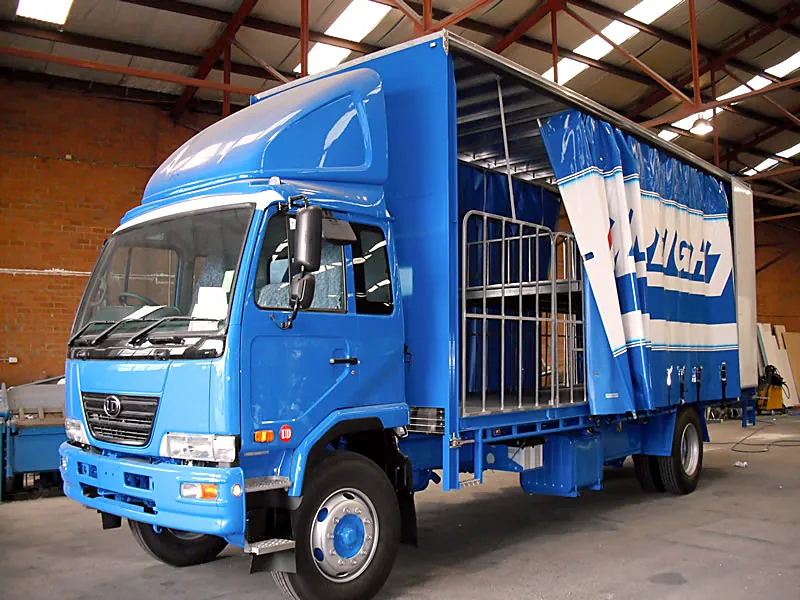
What a body inspection covers
- We look at the floor and decking for soft spots, cracks, delamination and any sign of water getting in.
- The frame, posts, crossmembers and body-to-chassis mounts are checked for cracks, corrosion and loose fasteners.
- We go over the doors, roller doors, hinges, locks and seals for wear and leaks.
- On curtainsiders, we check the curtains, buckles, tensioners and tracks.
- On trays, we check the gates, dropsides, toolboxes and load restraint points.
- We check the lights, reflectors and markings so that the truck stays roadworthy.
- On refrigerated bodies, we also inspect the insulated panels, linings and seals.
After the inspection you get a plain list of what needs doing now, what can wait and what each item will cost, and then you decide what we go ahead with.
Why regular inspections pay off
Most body repairs start out small. A loose mount, a cracked weld or a seal that has started to leak costs very little to fix when it is found early, but it costs a lot more once the damage has spread or caused a failure on the road. Regular inspections also make roadworthy checks and customer audits much more straightforward.
Maintenance for fleets
For fleets, we set an inspection schedule around your service intervals and book any repairs into planned downtime, so your trucks are not off the road twice. You can read more about how this works on our fleet services page.
Checks your drivers can do
A quick walk around the body each week will catch many problems early, and our guides cover maintenance tips for fleets and monthly checks for refrigerated bodies.